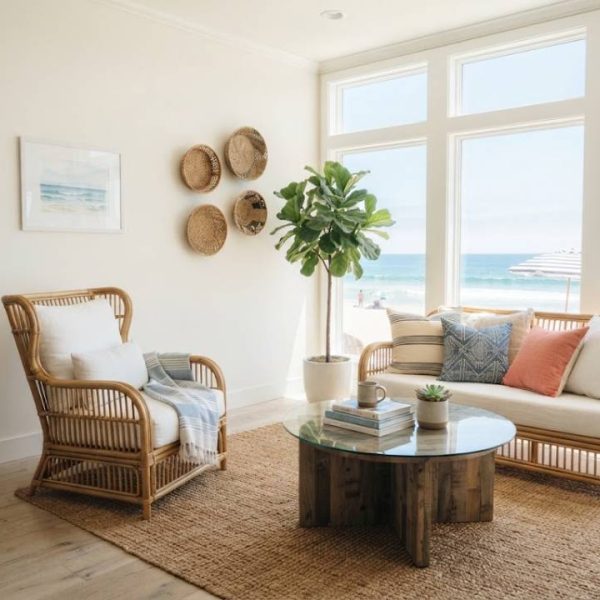
A vacation home should feel effortless the moment you walk in, yet many owners spend years fighting a house that never quite relaxes them the way it was supposed to. The difference usually comes down to a handful of deliberate choices made early, not an unlimited decorating budget.
Design For How You Actually Use The Space
A vacation home used mostly for weekend getaways needs a completely different layout than one hosting extended family gatherings twice a year. Being honest about actual usage patterns, rather than an idealized version of how the house might be used, leads to furniture and layout choices that hold up over time.
Durable Materials Matter More Here Than At Home
A property that sits empty for stretches of time, sometimes in a humid or coastal climate, punishes delicate materials that would be fine in a primary residence. Choosing fabrics and finishes built for a low-maintenance, occasionally unattended home saves real money and frustration within the first year.
Cross-Border Property Paperwork Needs Careful Handling
Buying property abroad brings contracts, deeds, and tax documents that often require formal translation before local authorities or banks will accept them. Many buyers rely on certified translation for these documents, since an approximate translation can create real delays or legal complications during the purchase process.
Working With Local Contractors And Designers
Owners renovating a property in a Portuguese-speaking region often need portuguese document translation services for contractor quotes and permit applications, particularly when a renovation involves structural changes that local building authorities need to review carefully.
Furnishing From A Distance Adds Its Own Challenges
Owners sourcing furniture or fittings from international suppliers sometimes need reliable english ukrainian translation for shipping documents and warranty terms, since a misunderstood delivery clause can leave a property half-furnished right before a planned visit.
Neutral Bones, Personal Details
Vacation homes that get rented out or shared tend to work best with a calm, neutral base that appeals to many tastes. A design approach that blends Japanese minimalism with Scandinavian warmth creates spaces that feel both serene and lived-in. Many owners find this balance by exploring the principles of japandi style
Vacation homes that get rented out or shared with extended family tend to work best with a neutral base, walls, flooring, major furniture, layered with personal touches that are easy to swap out: art, textiles, and small decorative pieces that reflect the owner without locking the space into one narrow taste.
Plan For Maintenance Before You Need It
A local contact who can check on the property between visits, handle small repairs, and flag problems early prevents the kind of neglected-property spiral that turns a relaxing getaway into a constant source of stress and unplanned expense.
Lighting Changes Everything In A Seasonal Home
A property used mainly in summer needs different lighting planning than one used year-round, since natural light patterns shift dramatically with the seasons in many popular vacation destinations. Testing the space at different times of day before finalizing window treatments avoids expensive redos later.
Most simple ways to style a vacation home you will actually love come down to editing rather than adding: fewer objects, better light, and materials that age without looking tired. Anyone who has spent a week somewhere genuinely well put together recognises the effect immediately and starts borrowing ideas. That is one of the quieter pleasures of staying at hotels in tuscany, where stone, linen and shade have been doing this job for several centuries.
A Broader View On Second Homes
Real estate researchers consistently note that owners who visit their second home consistently and treat it as a genuine extension of daily life, rather than an occasional investment, report significantly higher satisfaction than those who treat it purely as a financial asset.
What Makes A Second Home Feel Worth The Effort
According to the American Psychological Association, environments that support consistent, predictable routines tend to reduce stress more effectively than spaces designed purely for visual impact, a useful reminder when planning a home meant primarily for rest and recovery.
Storage Solves More Design Problems Than Decor Does
A vacation home with thoughtful, generous storage feels calmer than one with beautiful furniture but nowhere to put beach gear, seasonal decorations, or supplies for guests. Planning storage early in the design process, rather than adding it as an afterthought, prevents the visual clutter that undermines an otherwise well-styled space.
Building In Flexibility For Future Changes
Family needs shift over the years, and a vacation home that can adapt, a spare room that converts easily, furniture that can be rearranged for different group sizes, ages better than one designed around a single fixed use case that may not hold true five years later.
A Welcome Book Makes A Real Difference
A short, practical welcome book left in the property, covering wifi details, appliance quirks, nearby essentials, and emergency contacts, smooths the experience for family, guests, or renters far more than any additional decorative flourish, and it takes very little time to put together.
Bringing It All Together
A vacation home does not need to look like a showroom to feel worth the investment. Durable materials, honest planning around actual use, careful attention to paperwork and local logistics, and a bit of flexibility for the future tend to matter far more, over time, than any single striking design choice.